
As a business owner, ensuring your employees’ safety and protecting your property is of utmost importance, especially in the face of severe convective storms. Consider these tips to help safeguard your business and workforce before the storm hits.
Does severe weather pose a threat to your business?
Storm preparedness begins with understanding specific weather risks associated with your geographical location.
Develop a plan that ensures the safety of your employees and protects your building/assets.
Use weather monitoring services like the National Weather Service to stay up-to-date on storm threats.
Consider the following when formulating severe weather plans:
- Identify your business’s specific weather-related risks.
- Evaluate your property’s vulnerability to severe weather events.
- Study historical storm data for your area.
- Anticipate potential effects on your employees before, during, and after a storm.
- Analyze possible impacts on property accessibility, emergency response, supplies, and power.
- Be prepared to initiate post-storm recovery and cleanup.
Secure your buildings and property
- Regularly inspect buildings for vulnerabilities, such as loose roofing materials, damaged windows, or weakened structures. Address issues immediately to improve overall structural integrity.
- Trim trees and secure outdoor objects to minimize debris risks during high winds.
- Invest in wind-resistant landscaping, impact-resistant windows and roofing, reinforced doors, and storm shutters or window boarding for additional protection.
Protect your employees
- Create, document, and communicate clear safety protocols for your employees.
- Conduct regular training on evacuation routes, safe shelter locations, and how to stay informed through reliable weather updates.
Emergency power systems
- Install backup power systems that allow critical operations to continue during power outages, including generators and uninterruptible power supply systems.
- Make sure data storage systems have reliable backups.
Supply chain security
- Analyze and strengthen your supply chain by finding alternative suppliers and establishing contingency plans.
additional factors to consider: heavy rain
- Identify flood potential and take note of conditions that may make your facility more vulnerable to damage. Quickly repair issues such as roof leaks, foundation weaknesses, and drainage problems.
- Install and maintain stormwater management, including proper drainage channels and retention basins.
- Maintain clear gutters, roof drains, and storm drains.
- Invest in rain-resistant mulch materials that are less likely to be displaced by heavy rain and block drains.
- When needed, install flood barriers and sandbags around entrances and critical infrastructure.
additional factors to consider: Thunderstorms, lightning, and hail
- Consider installing impact-resistant windows to minimize hail damage.
- Install and regularly maintain lightning protection systems.
- Move outdoor equipment indoors or to sheltered areas during severe weather forecasts.
- Trim trees, especially dead or weak branches to minimize the risk of falling debris.
- Invest in high-quality surge protectors for critical electronics to help mitigate damage caused by lightning strikes and power surges.
- Educate employees on lightning dangers and emphasize seeking indoor shelter during thunderstorms.
additional factors to consider: Tornadoes
- Designate safe shelter locations within the workplace, preferably in low, windowless areas like a basements or storm shelters. Ensure all employees know the locations.
- Provide employee training on tornado safety, including how to recognize warning signs, understanding the difference between tornado watches and warnings, and the importance of taking immediate action when a tornado warning is issued.
- Perform regular tornado drills to familiarize employees with designated shelter areas and emergency procedures.
- Institute an emergency communication system to quickly issue tornado warnings and emergency instructions to employees, such as text messages, sirens, and intercom announcements.
- If conditions allow, anchor outdoor loose objects that could become projectiles in high winds.

Photo by Max LaRochelle on Unsplash
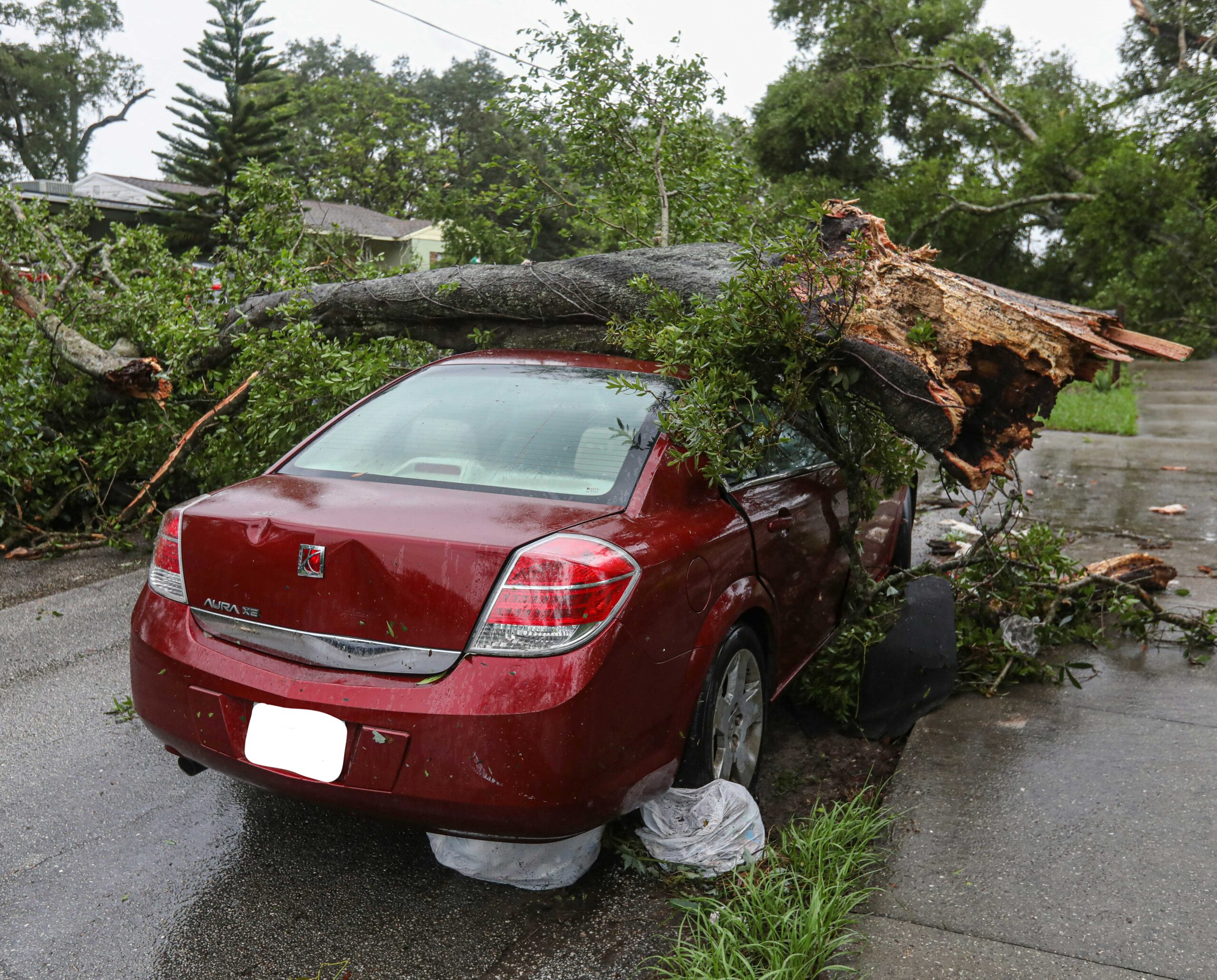
Photo by Mick Haupt on Unsplash


Photo by Johannes Plenio on Unsplash

Photo by Greg Johnson on Unsplash
It’s important to know what is and isn’t covered by your business insurance policies in case of a severe weather event. Contact us today to review your policy (630) 441-1003


